- 6. Biodiversity: In island Bio geography, a model MacArthur & Wilson's 1963 Island Bio geography Equilibrium paper is demonstrated. In estimating stream diversity, the model shows a stream of animal life and displays the species"discovery to effort" to curve. In estimating plant diversity, it is a model to calculate data for analyses of biodiversity. The concept of ‘biological diversity’ is complex and includes the concept of species diversity, or the total of all species in a given area or habitat. It can also refer to genetic diversity within a species or can even refer to the diversity of habitats in a given region.
Friday, May 29, 2015
Blog 17 Eco 6

Thursday, May 28, 2015
Blog 16 Eco 5
- 5. Conservation Ecology: In biomagnificaion, Rachel Carson published 'Silent Spring' which drew attention to how the use of pesticides was indirectly decimating bird populations by causing thinning of egg-shells in 1962. The model demonstrates how DDT in near-shore waters accumulates in a 'food chain' of phytoplankton, zooplankton, smelt, salmon, and pelicans. In Tragedy of the Commons Garrett Hardin (1968) describs how multiple individuals acting in their own interests, while using a common resource, will overuse the resource. This model shows the concept in a common field where four farmers are grazing cattle.
Blog 15 Eco 4
- 4. Behavioral Ecology: In Foraging, the model demonstrates a behavior of honeybees. It represents Charnov's (1976) Marginal Value Theorem, which predicts how long an animal should forage in a given patch. In Vigilance Behavior (Collective), the model is shown of Pulliam's (1973) vigilance model suggests that an advantage to birds of feeding in flocks is that there are multiple eyes eyes watching for predators. In Vigilance Behavior Individual) the parameters for individual birds can be adjusted. In Foraging, the model simulates the foraging behavior of two predator species and tracks the mean and standard deviation in energy for each species. An organism’s behavioral patterns are influenced by its genetics and can therefore evolve.
Blog 14 Eco 3
- 3.Community Ecology: A model of Connell's 1960 competition experiment if of realized niches of two species of barnacles, Chthamalus and Balanus. In addition, microcosm is a simulation which demonstrates Gauss (1934) experiment with protists. The two Paramecium species compete for resources. Populations must interact with other populations in order to survive. Communities are often identified by their plants or animals, but they also include all of the fungi, protists, and bacteria.
Blog 13 Eco 2
- 2. Population Ecology- The Logistic Growth model demonstrates resource limited population growth. Populations have a per capita growth rate and carrying capacity and individuals in a population are views in windows, which show that there are still births/deaths in the population. Population sizes can be predicted through direct sampling, sampling with removal, and mark/recapture.
Blog 12 Eco 1
Blog 12 Eco 1
1. Population genetics- Population Genetics is the study of the distributions and changes of allele frequency in a population. As demonstrated with the popgen fishbowl stimulation, the population is subject to the four main evolutionary processes also known as natural selection, genetic drift, mutation flow, and gene flow.
Sunday, April 26, 2015
Ecology Weblabs
- Carbon Cycle


2. Demographics


3. Ecology


4. Energy


5. Energy
- 1. Population genetics- Population Genetics is the study of the distributions and changes of allele frequency in a population. As demonstrated with the popgen fishbowl stimulation, the population is subject to the four main evolutionary processes also known as natural selection, genetic drift, mutation flow, and gene flow.
- 2. Population Ecology- The Logistic Growth model demonstrates resource limited population growth. Populations have a per capita growth rate and carrying capacity and individuals in a population are views in windows, which show that there are still births/deaths in the population. Population sizes can be predicted through direct sampling, sampling with removal, and mark/recapture.
- 3.Community Ecology: A model of Connell's 1960 competition experiment if of realized niches of two species of barnacles, Chthamalus and Balanus. In addition, microcosm is a simulation which demonstrates Gauss (1934) experiment with protists. The two Paramecium species compete for resources.
- 4. Behavioral Ecology: In Foraging, the model demonstrates a behavior of honeybees. It represents Charnov's (1976) Marginal Value Theorem, which predicts how long an animal should forage in a given patch. In Vigilance Behavior (Collective), the model is shown of Pulliam's (1973) vigilance model suggests that an advantage to birds of feeding in flocks is that there are multiple eyes eyes watching for predators. In Vigilance Behavior (Individual) the parameters for individual birds can be adjusted. In Foraging, the model simulates the foraging behavior of two predator species and tracks the mean and standard deviation in energy for each species.
- 5. Conservation Ecology: In biomagnificaion, Rachel Carson published 'Silent Spring' which drew attention to how the use of pesticides was indirectly decimating bird populations by causing thinning of egg-shells in 1962. The model demonstrates how DDT in near-shore waters accumulates in a 'food chain' of phytoplankton, zooplankton, smelt, salmon, and pelicans. In Tragedy of the Commons Garrett Hardin (1968) describs how multiple individuals acting in their own interests, while using a common resource, will overuse the resource. This model shows the concept in a common field where four farmers are grazing cattle.
- 6. Biodiversity: In island Biogeography, a model MacArthur & Wilson's 1963 Island Biogeography Equilibrium paper is demonstrated. In estimating stream diversity, the model shows a stream of animal life and displays the species"disocvery to effort" to curve. In estimating plant diversity, it is a model to clacuate data for anlayses of biodiversity.
Monday, March 23, 2015
Evolutionary Creature in the Ice Age
Leslie Gutierrez
Ms. Malonek
Biology 1/2
23 March 2015

Ms. Malonek
Biology 1/2
23 March 2015
Evolutionary Creature in the Ice Age
I created a creature called the Bunnusoaious that lives in both the land
and the sea during the Ice Age. This creature evolved because brown rabbits
were getting rapidly eaten by the polar bears because they were the only prey
left after its other prey got extinct because of the ice age. It has a fin
which helps it navigate its way through the ocean when escaping from predators
on land. This creature spends most of its time on land which is indicated from
its bunny legs as it hops around on land to find food. It has two sharp and
long teeth to help it hunt for food in the water (fish) and on land (small mice
found in the snow). It two long ears to help it hear when its prey and
predators are nearby. It has fur on its fish-like body to help it survive the
cold. It is also the color white on the top to help it blend into the
surroundings so to not be hunted easily and is able to live in a habitat in the
snow. However, it also has blue on its belly to camouflage into the
water to escape its predators under water and white fur to
escape its predators on land. It also has gills to help it breath in the
water when it goes into the icy, cold ocean.
cite:
http://www.conservationinstitute.org/tundra-animals-6-arctic-animals-perfectly-adapted-for-life-in-the-cold/
Sunday, March 22, 2015
Evolution Bird
Leslie Gutierrez
Mrs. Malonek
Biology 1/2
22 March 2015
Evolutionary Bird

Friday, March 6, 2015
Fake Fossil Blog

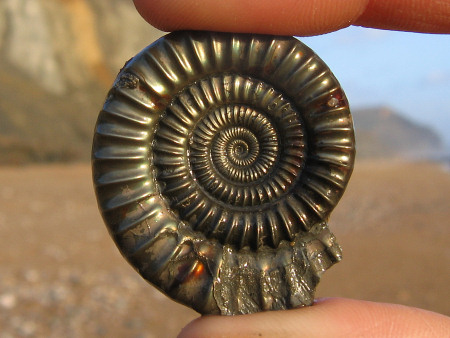
The fossil I found was 3.2 centimeters wide and 2.8 centimeters in length. It had ridges and some damage had been done to the fossil. The fossil had an oval shape that was not perfect. It was buried 4. 3 centimeters deep and had a shallow hole. It was clear that the fossil had been buried in the recent years because the fossil was in good condition. The fossil was also buried in the ocean as could tell because it was within a hole. Overall, my conclusion is that this fossil is a shell.
Darwin's Finches Candy Lab
Leslie Gutierrez
Mrs. Malonek
6 March 2015
Biology 1/2
My partner and I were the spooned beak birds. I struggled to survive the first round and sadly died because I could not adapt, while Shirley barely survived. In round 3 I went to different island in order to obtain more food. I tried to scooping the m and m together but not seem to find a solution to fix the problem. I was better adapted to the bigger seeds as Shirley and I appeared to struggle on the first island. I would identify myself and Shirley would be the vegetarian finches because we struggled on both islands, only one of us surviving to barely survive. I struggled very much to work together with Shirley because I thought it would be better to hunt on my own for food. Overall, I was better adapted to the small sized seeds I faced Intraspecific competion, as I struggled to fight Rui who was a forked beak to get small seeds.
Reference:
http://earthwatch.org/expeditions/darwins-finches-and-natural-selection-in-the-galapagos

The paleolithic
Leslie Gutierrez
Mrs. Malonek
Biology 1/2
6 March 2015
Your first blog is a possible history of your geologic area Include
density of fossils and why they are in one area and not another
density of fossils 2 where are there the most samples why
type of fossils and what that says about the area
The density of fossils for the Paleolithic Era was on the right side of the shoe box. This may have possibly been because there was land on the left side and ocean on the right side. One shark tooth which was found in H1 indicates that ocean life existed on the right side and 2F which is petrified wood indicates that it was a lake that had trees right new to it. Almost little to no animals life was on land as there was only one dinosaur bone found. However, there was much plant life on land and in the ocean as can tell by the 5 fossils found of corals and wood.
Source: http://www.discoveringfossils.co.uk/whatisafossil.htm
Saturday, January 24, 2015
Mendel Blog
Leslie Gutierrez
Ms. Malonek
Biology 1/2
16 January 2015
The Mendel links are here but you will need to work on them at home if the plug in is not working on your computer. You should go through the first two columns of programs. Run the program. Take a screen shot and post it in a blog with a few sentences about what you learned (3-5) about that topic.
Mendel's Peas

Mendel picked common garden pea plants to test for his research because they can be grown easily in large numbers and their reproduction can be manipulated. Pea plants have both male and female reproductive organs, meaning they can either self-pollinate themselves or cross-pollinate with another plant. In his experiments, Mendel was able to selectively cross-pollinate purebred plants with particular traits and observe the outcome over many generations. Through the selective cross-breeding of common pea plants (Pisum sativum) over many generations, Mendel discovered that certain traits show up in offspring without any blending of parent characteristics. For instance, the pea flowers are either purple or white by crossing white and purple peas.
Crossing Over

Thomas Hunt Morgan, in the early 1900’s, used a common species of fruit fly, Drosophila melanogaster, to expand the understanding of genetics. Morgan was the first to show through experiments that genes were located on chromosomes. He also found that certain fruit fly traits (e.g., white vs. red eye color) are found on the same chromosomes that also determine their sex.
Dragon

Chromosomes are made from DNA. Genes are short sections of DNA. Alleles are different forms of a gene and can be dominant or recessive. enotype is what makes the trait - the information within a gene, or the genetic makeup of a specific organism. Genotype is determined by the makeup of something called "alleles," a word that refers to the form of a gene that produces different effects.The phenotype is the physical expression, or characteristics, of that trait.
Dragon Meiosis

Meiosis is a specialized type of cell division which reduces the chromosome number by half. This process occurs in all sexually reproducing eukaryotes (both single-celled and multicellular) including animals, plants, and fungi. Meiosis the two successive divisions of a diploid cell of a sexually reproducing organism that result in four haploid progeny cells, each with half the genetic material of the original cell.
Natural Selection

Natural selection is the gradual process by which heritable biological traits become either more or less common in a population as a function of the effect of inherited traits on the differential reproductive success of organisms interacting with their environment. It is a key mechanism of evolution.Natural selection is Darwin’s most famous theory; it states that evolutionary change comes through the production of variation in each generation and differential survival of individuals with different combinations of these variable characters. Individuals with characteristics which increase their probability of survival will have more opportunities to reproduce and their offspring will also benefit from the heritable, advantageous character. So over time these variants will spread through the population.
Incomplete Dominance & Co-dominance

Incomplete dominance is a form of intermediate inheritance in which one allele for a specific trait is not completely dominant over the other allele. For instance, incomplete dominance is seen in cross-pollination experiments between red and white snapdragon plants because dominant allele that produces the red color is not completely expressed over the recessive allele that produces the white color.Co-dominance is a relationship between two versions of a gene. Individuals receive an an allele of a gene from each parent. If the alleles are different, the dominant allele usually will be expressed, while the effect of the other allele, called recessive, is masked.
Sex Determination and Linkage

Although the sex of a human is typically determined by the particular chromosomes received (XX for female and XY for male), sex is determined in different ways in many other organisms. Sex linkage describes the pattern of heredity between traits governed by genes on the sex chromosomes and the trait of 'sex', itself. In humans, although the Y is a small chromosome besides the sry gene, the X is a large chromosome with hundreds of genes that govern a wide variety of phenotypic traits.
Genetic Counseling

Genetic counseling is the process by which the patients or relatives at risk of an inherited disorder are advised of the consequences and nature of the disorder, the probability of developing or transmitting it, and the options open to them in management and family planning.Genetic tests are done by analyzing small samples of blood or body tissues. They determine whether you, your partner, or your baby carry genes for certain inherited disorders.
Punnet Squares

Ms. Malonek
Biology 1/2
16 January 2015
The Mendel links are here but you will need to work on them at home if the plug in is not working on your computer. You should go through the first two columns of programs. Run the program. Take a screen shot and post it in a blog with a few sentences about what you learned (3-5) about that topic.
Mendel's Peas
Mendel picked common garden pea plants to test for his research because they can be grown easily in large numbers and their reproduction can be manipulated. Pea plants have both male and female reproductive organs, meaning they can either self-pollinate themselves or cross-pollinate with another plant. In his experiments, Mendel was able to selectively cross-pollinate purebred plants with particular traits and observe the outcome over many generations. Through the selective cross-breeding of common pea plants (Pisum sativum) over many generations, Mendel discovered that certain traits show up in offspring without any blending of parent characteristics. For instance, the pea flowers are either purple or white by crossing white and purple peas.
Crossing Over
Thomas Hunt Morgan, in the early 1900’s, used a common species of fruit fly, Drosophila melanogaster, to expand the understanding of genetics. Morgan was the first to show through experiments that genes were located on chromosomes. He also found that certain fruit fly traits (e.g., white vs. red eye color) are found on the same chromosomes that also determine their sex.
Dragon
Chromosomes are made from DNA. Genes are short sections of DNA. Alleles are different forms of a gene and can be dominant or recessive. enotype is what makes the trait - the information within a gene, or the genetic makeup of a specific organism. Genotype is determined by the makeup of something called "alleles," a word that refers to the form of a gene that produces different effects.The phenotype is the physical expression, or characteristics, of that trait.
Dragon Meiosis
Meiosis is a specialized type of cell division which reduces the chromosome number by half. This process occurs in all sexually reproducing eukaryotes (both single-celled and multicellular) including animals, plants, and fungi. Meiosis the two successive divisions of a diploid cell of a sexually reproducing organism that result in four haploid progeny cells, each with half the genetic material of the original cell.
Natural Selection
Natural selection is the gradual process by which heritable biological traits become either more or less common in a population as a function of the effect of inherited traits on the differential reproductive success of organisms interacting with their environment. It is a key mechanism of evolution.Natural selection is Darwin’s most famous theory; it states that evolutionary change comes through the production of variation in each generation and differential survival of individuals with different combinations of these variable characters. Individuals with characteristics which increase their probability of survival will have more opportunities to reproduce and their offspring will also benefit from the heritable, advantageous character. So over time these variants will spread through the population.
Incomplete Dominance & Co-dominance
Incomplete dominance is a form of intermediate inheritance in which one allele for a specific trait is not completely dominant over the other allele. For instance, incomplete dominance is seen in cross-pollination experiments between red and white snapdragon plants because dominant allele that produces the red color is not completely expressed over the recessive allele that produces the white color.Co-dominance is a relationship between two versions of a gene. Individuals receive an an allele of a gene from each parent. If the alleles are different, the dominant allele usually will be expressed, while the effect of the other allele, called recessive, is masked.
Sex Determination and Linkage
Although the sex of a human is typically determined by the particular chromosomes received (XX for female and XY for male), sex is determined in different ways in many other organisms. Sex linkage describes the pattern of heredity between traits governed by genes on the sex chromosomes and the trait of 'sex', itself. In humans, although the Y is a small chromosome besides the sry gene, the X is a large chromosome with hundreds of genes that govern a wide variety of phenotypic traits.
Genetic Counseling
Genetic counseling is the process by which the patients or relatives at risk of an inherited disorder are advised of the consequences and nature of the disorder, the probability of developing or transmitting it, and the options open to them in management and family planning.Genetic tests are done by analyzing small samples of blood or body tissues. They determine whether you, your partner, or your baby carry genes for certain inherited disorders.
Punnet Squares
Friday, January 16, 2015
Gattaca Letter to Anton from Vincent
Leslie Gutierrez
Ms. Malonek
Biology 1/2
16 January 2015
Dear Anton,
I am sad to have report to that I done a surgery that will greatly affect the way I live and who I am, in order to pursuit my dreaming of going into space. You were always so better at me at everything and were the "better brother," not having any medical disabilities like I did and fulling Dad's dream of having a "perfect child." Since the day I was I was born, I have never really fit in our family, always standing out. You also found me repulsive, and that day I cut myself with a seashell in order to mix our blood together, you didn't want to, afraid of what might occur. The day I finally beat you swimming the fathers out into the lake, I knew that it was my time to go and pursue my dream. I knew living at home would do me no good, and I would have to eventually give up on my dream, which I couldn't because I had my convince myself that it had to became reality. I thought I would never fulfill my dream of going into space, until I met Jerome Morrow, who was willing to sacrifice his identity into order to fulfill my dream of going into space because I did not meet the requirement of applying and getting into the school. I am going to dye my hair, cut off my feet and inset titanium into my bone to grow taller and be the new "Jermone." Vincent will cease to exist in the world, because of this imperfect genetics and disabilities that limited his big dream. To be honest, I had no other choice and could not just limit myself to poverty jobs because of "who I really am." Although yo are one ofthe dtectives on this case, I did not kill the space mission leader. I have no involvement in this case whatsoever, and am the same person I was back at home. You cannot just stand the fact for once in your entire life, that I am succeeding at life better at life, no matter how times you attempt to call the situation "fraud." I truly do love you brother, but you have to got to realzi you no longer have any control on me and you did before. Genetics do no matter, although the world does not realize it, and everyone is equally the same and should be given the same opportunity. So for now, dear, Anton, goodbye. I am finally going into space, following my long lifetime dream.
Love,
Vincent
Sunday, December 7, 2014
Cell Project
Leslie Gutierrez
Ms. Malonek
Biology 1/2
7 December 2014
Reference: http://www.webmd.com/a-to-z-guides/e-coli-infection-topic-overview


Ms. Malonek
Biology 1/2
7 December 2014
Final Project: Create a Cell
The cell I chose to make a 3D model of was: the bacteria E. Coli
Although everyone has E.coli bacteria naturally in their intestines, people and animals infected with the strand of E. coli 0157:H7, which can sometimes be found in under cooked foods, contaminated water and feces. Symptoms of E. Coli include diarrhea, abdominal pain, vomiting, and low fever.
E. coli, short for the medical term Escherichia coli, is a common type of bacteria that can get into food, like beef and vegetables . E coli is not always harmful to our body and normally lives inside out intestines, where it helps the human body break down and digest the food we eat. However, not all E. coli is good and certain types (called strains) of E. coli can get from the intestines into the blood. Although this is a rare illness it can cause a very serious infection. A person who has an E. coli infection may have symptoms such as bad stomach cramps and belly pain, vomiting, and diarrhea, sometimes with blood in it. One very bad strain of E. coli was found in fresh spinach in 2006 and some fast-food hamburgers in 1993. Beef can contain E. coli because the bacteria often infect cattle, and Cattle's manure is used for fertilizer (a common practice to help crops grow). Water as well contaminated with E. coli may be used to irrigate the crops.
E. coli can be passed from person to person, but serious E. coliinfection is more often linked to food containing the bacteria, which occurs when the person eats the contaminated food and gets sick. E. coli poisoning can occur when you eat under cooked ground beef (used for hamburgers), vegetables grown in cow manure or washed in contaminated water, or fruit juice that isn't pasteurized (pasteurization is a process that uses heat to kill germs).
Heat can kill E. coli and washing and scrubbing vegetables can help get rid of E.coli before eating them. In some cases, E. coli poisoning can cause life-threatening kidney problems. Overall, the main method of preventing e.coli is to always wash and keep your hands clean!
Theodor Escherich, a scientist first discovered E. Coli in 1885. Overtime, E. coli was found to be a gram-negative, facultative anaerobic and non-sporulating.
In addition, since E. coli is a type of bacteria, this means that it is a prokaryotic cell and lack a nucleus. Unlike animal and plant cells, E. coli have a capsule which protects the bacterial cell and serves as a barrier against phagocytosis by white blood cells, a flagellum which serve as long appendages" which rotate by means of a "motor" located just under the cytoplasmic membrane" moving the cell to where it desires to go, and a pili which are hollow, hair-like structures which allow bacteria to attach to other cells. In some cases E.coli is considered a pathogen, as it is known to cause diseases. Even though E.coli is known to have an extremely simple cell structure with only one chromosomal DNA and a plasmid, E.coli can perform complicated metabolism that helps it to maintain its cell growth and cell division. Plus, E.coli has been widely used to synthesize DNA and proteins.
Furthermore, E. coli is a Gram-negative rod-shaped bacteria containing some strains which are "piliated"and able of accepting and transferring plasmid to and from other bacteria, enables E. coli under with bad stress conditions to survive. Interestingly as well, E.coli has a network of fibers that allow them to bind to their host cells. Although E.coli are unique,they are similar to most bacteria in many ways, such as the fact that "E. coli can transfer its DNA materials through bacterial conjugation with other related bacteria to produce more mutation and add more strains into the existing population."
Unlike both animal and plant cells, E.coli has three "walls" or protection, the outer layer called the capsule, the layer inside that the cell wall, and within that the plasma membrane. Likewise, E.coli contains a ribosomes like animal cells, however, contains a flagellum that enables it move. The pili in E.coli which plant and animal cells do not have are protein filaments that facilitate cell adhesion and conjugation. The DNA of E.coli , also unlike plant and animal cells, is more unorganized and just a clump compared to the nucleus of both which contain a multitude of parts.
Theodor Escherich, a scientist first discovered E. Coli in 1885. Overtime, E. coli was found to be a gram-negative, facultative anaerobic and non-sporulating.
Reference: http://www.webmd.com/a-to-z-guides/e-coli-infection-topic-overview
Hot Zone Blog: How do you think Monet got sick? What is his worst symptom?
Leslie Gutierrez
Ms. Malonek
Biology 1/2
6 December 2014
Task: Hot Zone Blog: How do you think Monet got sick? What is his worst symptom?
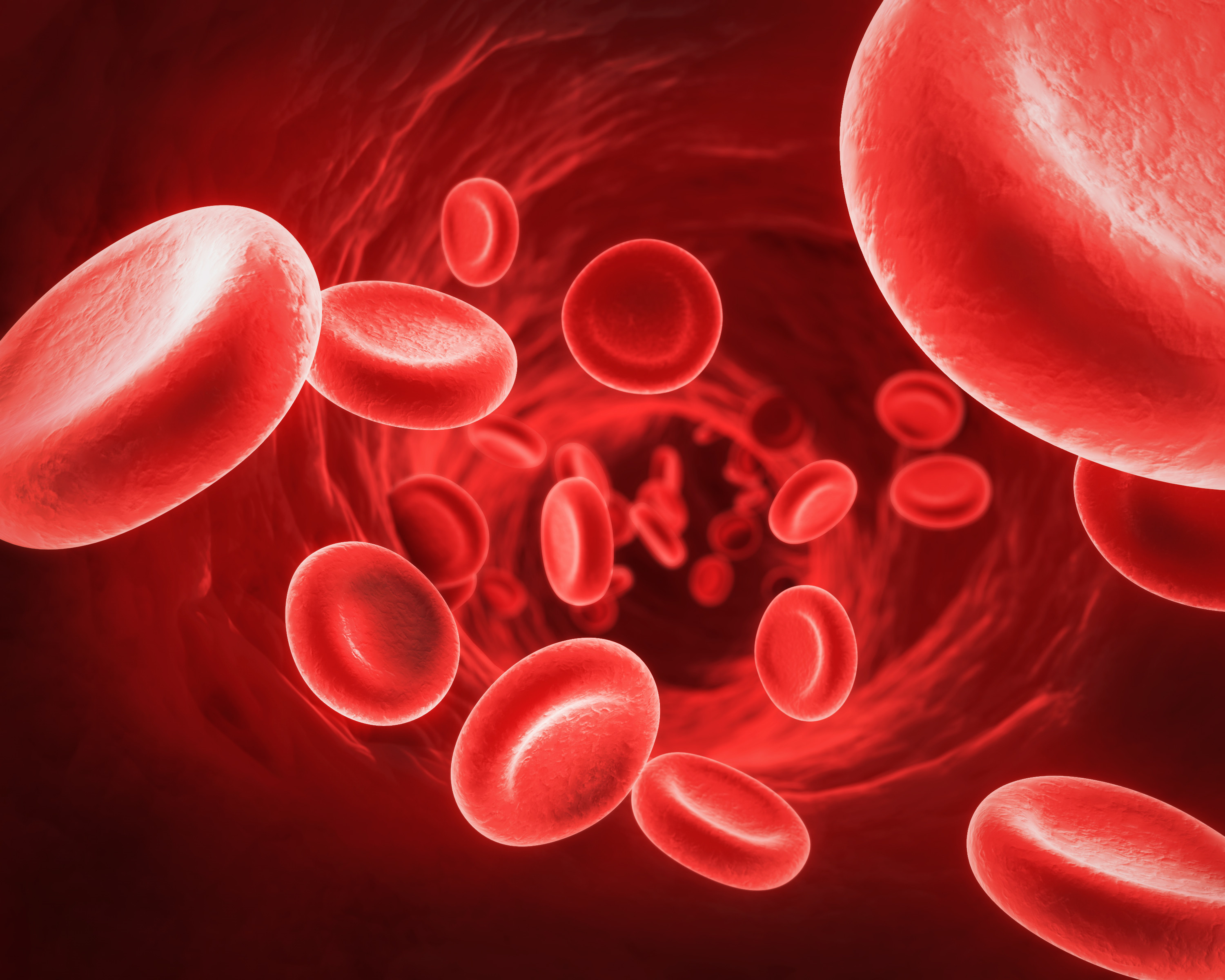
There are many possibilities and way that Monet may have gotten sick, however, I believe that the most believable way he got sick was by touching the black guano from the velvety mass of bats, which hung at the back of Kitum Cave on broken pillar. The bats were insect eaters, and the guano was an ooze of digested insects, which may have carried the disease. Although the author is not certain of it, Monet may have put his hand in the guano out of curiosity. Monet worst symptom is continuous bleeding flowing out of his body. When the virus crashes and Monet dies, Dr. Musoke inspects him and notices his body still continuing to bleed.
Website: http://www.nlm.nih.gov/medlineplus/ency/article/001339.htm
Monday, December 1, 2014
Ebola Chapter 1
Leslie Gutierrez
Ms. Malonek
Biology 1/2
1 December 2014
Symptoms
Possible Ways Monet was Exposed

Ms. Malonek
Biology 1/2
1 December 2014
Symptoms
- Massive headache
- Throbbing pain behind pain behind eyeballs
- His eyeballs ached
- His temples began to ache, the pain seeming to circle around inside his head. (It would not to go away with aspirin)
- Severe backache
- Became nauseated, spiked ever and began to vomit
- His vomiting grew intense and turned into dry heaves
- His face lost all appearance of life and set itself into an expressionless mask with the eyeballs fixed , paralytic, and staring
- The eyelids were slightly droopy, which gave him a peculiar appearance, as if his eyes were popping our of his head and half-closed at the same time
- The eyeballs themselves seemed almost dozen in their sockets, and they turned bright red
- The skin of his face turned yellowish, with brilliant star like red speckles.
- His personality changed. He became sullen, resentful, angry, and his memory seemed to be blown away.
- expressionless mass of bruises
- his whole head is turning black-and-blue
- the connective tissue in his face is dissolving, and his face appears to hang from the underlying bone, as id the face is detached itself from the skull
Possible Ways Monet was Exposed
- The doctors at the hospital examined Monet, and could not come u with any explanation for what he might some kind of bacterial infection, they gave him injections of antibiotics, but the antibiotics had no effect on his illness.
- his job, which was to take care of the sugar factory's water-pumping machinery, which drew water from the Nzoia River and delivered it to many miles of sugar-cane fields
- HIV or AIDS
- the weaver bird or beavers or crow
- food
- his trip to Mount Elgon with this woman from the nearby town of Eldoret
- volcanic dust from Mount Elgon
- the monkey or baboon
- the steam that gurgled out of the rain forest
- African olive trees as they walk to their campsite
- podocarpus trees
- Kitum Cave- they found shelves inside the cave coated with green slime and Monet may have put his hand in the ooze
- Monet ran his ran over the minerals in the petrified rain forest in Kitum Cave
- over it hung a velvety mass of bats, which had fouled the pillar with black guano-a different type of guano from the green slime near the mouth of the cave, which Monet may have put his hand in
Once Monet was effected with Ebola, many strange and absurd symptoms occurred. His intestinal muscles started to die and the intestines began to start going slack. Monet also began with a massive headache and throbbing pain behind pain behind eyeballs, which ached. His temples began to also ache as well, the pain seeming to circle around inside his head and would not to go away with aspirin. In addition, he also had severe backache and became nauseated, spiked ever and began to vomit. Not only did his vomiting grow intense and turned into dry heaves, his face also lost all appearance of life and set itself into an expressionless mask with the eyeballs fixed , paralytic, and staring. His eyelids were slightly droopy, which gave him a peculiar appearance, as if his eyes were popping our of his head and half-closed at the same time. Plus, the eyeballs themselves seemed almost dozen in their sockets, and they turned bright red. The skin of his face turned yellowish, with brilliant star like red speckles and his personality changed. He became sullen, resentful, angry, and his memory seemed to be blown away, instead of the nice, friendly man he was known to be. Monet also had expressionless mass of bruises and his whole head began turning black-and-blue. Once the virus began, the connective tissue in his face is dissolving, and his face appeared to be hanging from the underlying bone, as if the face was detached from the skull. Tiny spots in his brain are liquefying and the higher function of consciousness are winking out first, leaving the deeper parts of the brain stem still alive and functioning. Most importantly, Monet got constant nose bleeds from both nostrils, a shining cloteless, arterial liquid that drips over his teeth and chin.

Source:
http://www.cdc.gov/vhf/ebola/symptoms/
Tuesday, November 25, 2014
Fermentation
Leslie Gutierrez, Kelly Diep, Shirley
Ms. Malonek
Biology 1/2
25 November 2014
Recipe

Source: http://www.marthastewart.com/948811/homemade-yogurt

Ms. Malonek
Biology 1/2
25 November 2014
Fermentation Project: Yogurt
Task: - a recipe in metric
- pictures of you making the product and tasting the product
- a paragraph describing in detail what type of fermentation is going on
Recipe
- Place 0.946353 Liters of 2 percent milk in a large saucepan over medium-high heat; cook until it reaches 180 degrees, stirring occasionally to prevent scorching, 5 to 7 minutes. Let cool to 115 degrees.
- Whisk together 0.236588 Liters of the heated milk and 0.0443603 Liters of plain low-fat yogurt. Stir into remaining milk.
- Transfer to a 0.946353 Liters mason jar. Wrap jar (without lid) in 2 clean kitchen towels, completely covering sides and top. Let stand undisturbed in a warm place until yogurt has the consistency of custard, 4 to 5 hours.
- Refrigerate uncovered jar; when it's cool to the touch, about 30 minutes, screw on a tight-fitting lid.
- What type of fermentation is going on?
- The type of fermentation that demonstrated by creating yogurt is lactic acid fermentation. One produces yogurt through the lactic acid fermentation of milk with harmless bacteria. By decreasing raw milks pH it causes the milk to congeal, or increase in temperature, causing it rot and become yogurt. The bacteria in lactic acid fermentation, lactic acid bacteria, are a diverse group of bacteria that are able to ferment various sugars which then produces lactic acid plus other waste products. In general, lactic acid fermentation is the "anaerobic microbial breakdown of sugar, yielding energy in the form of ATP and releasing waste products, specifically lactic acid." In other words, yogurt is simply milk fermented by lactic acid bacteria. The two species of bacteria that are most commonly used to make yogurt are Lactobacillus bulgaris and Streptococcus thermophilus. These types of bacteria then ferment the sugar found in milk, or lactose, into lactic acid and other compounds with unique flavors. In addition, the lactic acid causes the milk proteins to clump together, giving the yogurt its characteristic thick texture and its delicious taste. According to education-portal.com, if you pulled out 1 gram of finished yogurt, you could find up to 100 million lactic acid bacteria, which illustrates overall just how well lactic acid bacteria "are able to thrive by fermenting just lactose."
Source: http://www.marthastewart.com/948811/homemade-yogurt
 |
| Leslie cooking the yogurt! |
 |
| Leslie tasting the yogurt! YUM! |
Extra Credit Water Conservation
Leslie Gutierrez
Ms. Malonek
Biology 1/2
19 November 2014
Source: http://www.epa.gov/greeningepa/water/
MY SELFIE (:

Ms. Malonek
Biology 1/2
19 November 2014
Water Conservation
As the drought continues on, California water supply continues to decrease. One can save up to 25 gallons per day by installing flow restriction and fix leaks in indoor plumbing and outdoor sprinkle systems. In addition, you can turn off the water when washing dishes, brushing teeth, and for guys, when shaving. Taking a shorter shower and using a broom instead of a hose to clean patios, driveways and sidewalks are other ways you can help conserve water as well. One can save up to 25-50 gallons of water by using a shut-off nozzle and water bucket to was your car and by watering your lawn and gardens in cooler morning or evening house. Installing high efficiently toilets and water-saving toilets and water-saving clothes and dish washers. plus covering pools and spas to reduce the amount of evaporation also helps conserve water. To save 50+ gallons of water per day you can reset or turn off automatic sprinkles in the late Fall or Winter and run only full loads in dish and clothes washers. These are many methods that people can help save water during this drastic drought!Source: http://www.epa.gov/greeningepa/water/
MY SELFIE (:
Friday, November 14, 2014

Subscribe to:
Posts (Atom)